


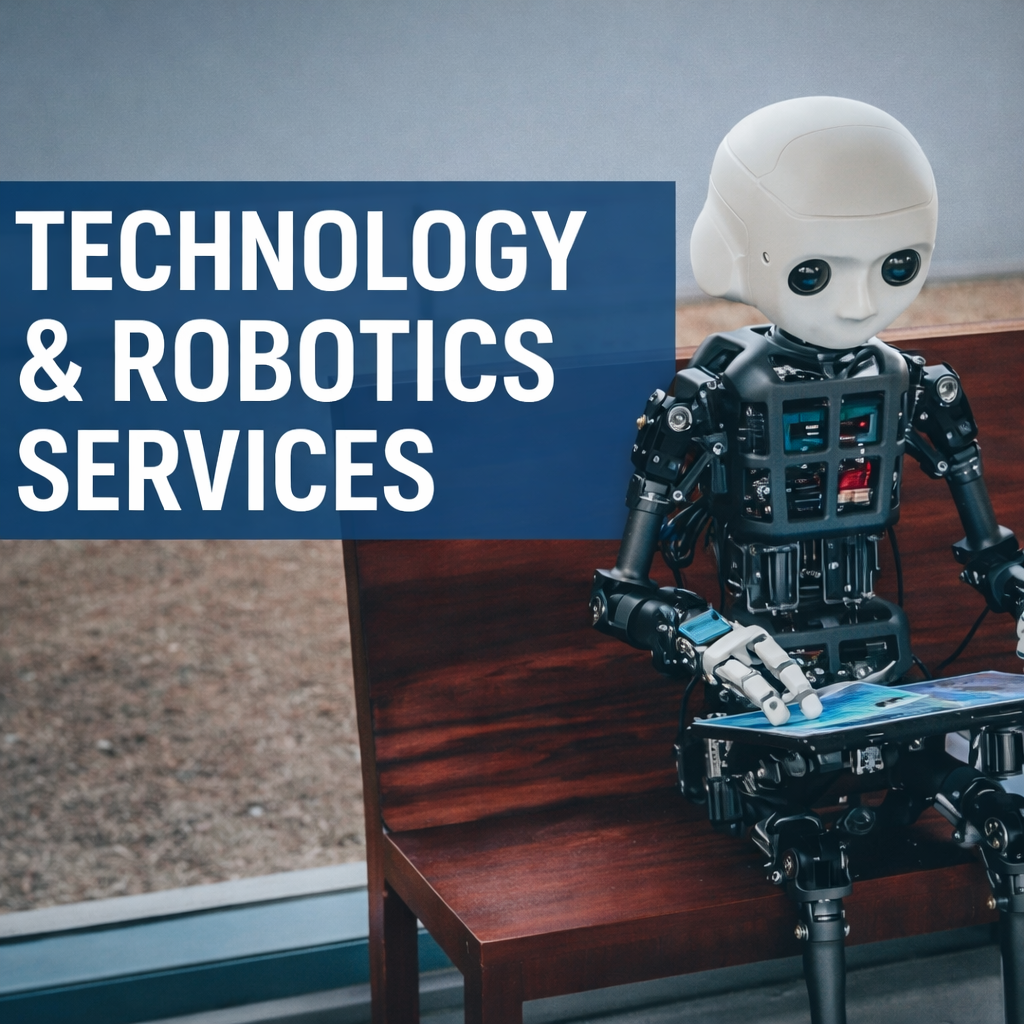
We are entering an era where technology no longer just supports humans — it operates itself. Machines are driving cars, algorithms are managing networks, and AI systems are making decisions that once required human judgment.
This shift raises an important question:
If technology is driving technology, what will humans do?
From Operators to Designers
Earlier, humans operated machines. Today, machines operate other machines.
Our role is shifting from manual execution to designing, training, supervising, and improving systems. Humans define the logic; machines execute it at scale.
Decision-Making Still Belongs to Humans
While machines can process data faster, they lack context, ethics, and accountability.
Critical decisions — especially those involving safety, compliance, and human impact — still require human oversight.
Creativity and Critical Thinking
Machines follow patterns. Humans create them.
Innovation, strategy, and creative problem-solving remain deeply human strengths. Technology amplifies these abilities but does not replace them.
Trust, Ethics, and Responsibility
As automation increases, trust becomes more important than speed.
Humans are responsible for setting ethical boundaries, ensuring fairness, and correcting bias in automated systems.
The New Human Role
In a technology-driven world, humans become:
- Architects of systems
- Guardians of ethics
- Interpreters of insights
- Decision-makers in uncertainty


OnusEditor
December 22, 2025Yes, I agreed.